


Building Community Around HMDD’s “Happy Memories Don’t Die” Philosophy: How It Works
HMDD didn’t begin life as a slogan factory. It started as a turn of words — happy memories don’t die — and this line evolved into the catalyst people started paying attention to a apparel brand anchored in emotional permanence instead of passing fads. Within a market where most labels pursue the next drop cycle, HMDD opted to anchor itself to a single idea: that the good moments in a person’s life are worth wearing, not just remembered. That decision has shaped all aspects of product design through to how the brand communicates with its audience online.
In 2026, what is most notable about this approach is HMDD’s unwavering commitment in maintaining it. Apparel brands often water down a core idea once growth pressure sets in, swapping meaning for volume. HMDD clothing has instead committed even more, using the phrase across sweatpants, shorts, and outerwear as a consistent theme rather than a one-off marketing hook. This consistency is exactly what turns a slogan into a badge of belonging — a signal wearers spot in one another before a single word is exchanged.
“Happy Memories Don’t Die”: Its Origin
In the way a quiet vow works, the phrase itself carries meaning. Memories can blur with time, pictures disappear, but a comfortable pair of sweatpants worn during a particular summer, or a hoodie kept from a college trip, carries a physical memory in a way a phone photo cannot replicate. The brand constructed its entire brand language around this notion, and it shows in product naming, packaging language, and social captions that consistently return to the identical emotional tone.
This is not an accident of branding. Grief, nostalgia, and joy are three of the most frequently searched emotional themes in apparel marketing research over the last five years, and HMDD positioned itself directly at that intersection. Shoppers who search “happy memories dont die” or “happy memories don’t die” online are not just searching for a product — they are seeking language that matches something they already feel. The brand responds to that search intent authentically, which is part of why the brand has cultivated grassroots loyalty rather than leaning entirely on paid reach.
This creates something like a feedback loop. hmdd.clothing Shoppers share their own memories tagged with HMDD gear, others come across those posts, and the phrase travels via firsthand experience rather than marketing on its own. That’s tougher to engineer than a snappy tagline, and it is the true mechanism behind HMDD’s growing community.
HMDDLA: Bridging Local Roots to a Worldwide Presence
HMDDLA’s identity as a name ties the brand to a specific place while still allowing the brand’s message to travel globally. Los Angeles has served for years as a testing ground for streetwear brands, with HMDDLA fully leaning into that tie without sacrificing the heart of what the brand stands for. It communicates a sense of origin and genuineness simultaneously — a touch that strikes a chord with customers who care whether a brand is truly grounded in a place, and not simply a warehouse paired with a website.
The way local meets global here also shows up in the way HMDD shows up online. Rather than pushing purely aspirational imagery, HMDD’s content frequently focuses on real people, real environments, and heartfelt captions describing specific memories. As a result, the space between brand and buyer shrinks. Living in Los Angeles isn’t a requirement for feeling tied to HMDDLA; picking up on the emotional thread tied to that place is what counts.
Community-driven fashion brands that survive past their first few years tend to share this trait: they let customers co-author the meaning of the brand. HMDD’s use of HMDDLA as a geographic and emotional anchor gives fans a specific place to project their own stories onto, which strengthens retention far more than discount codes ever could.
Product as Message: Sweatpants, Shorts, and Everyday Wear
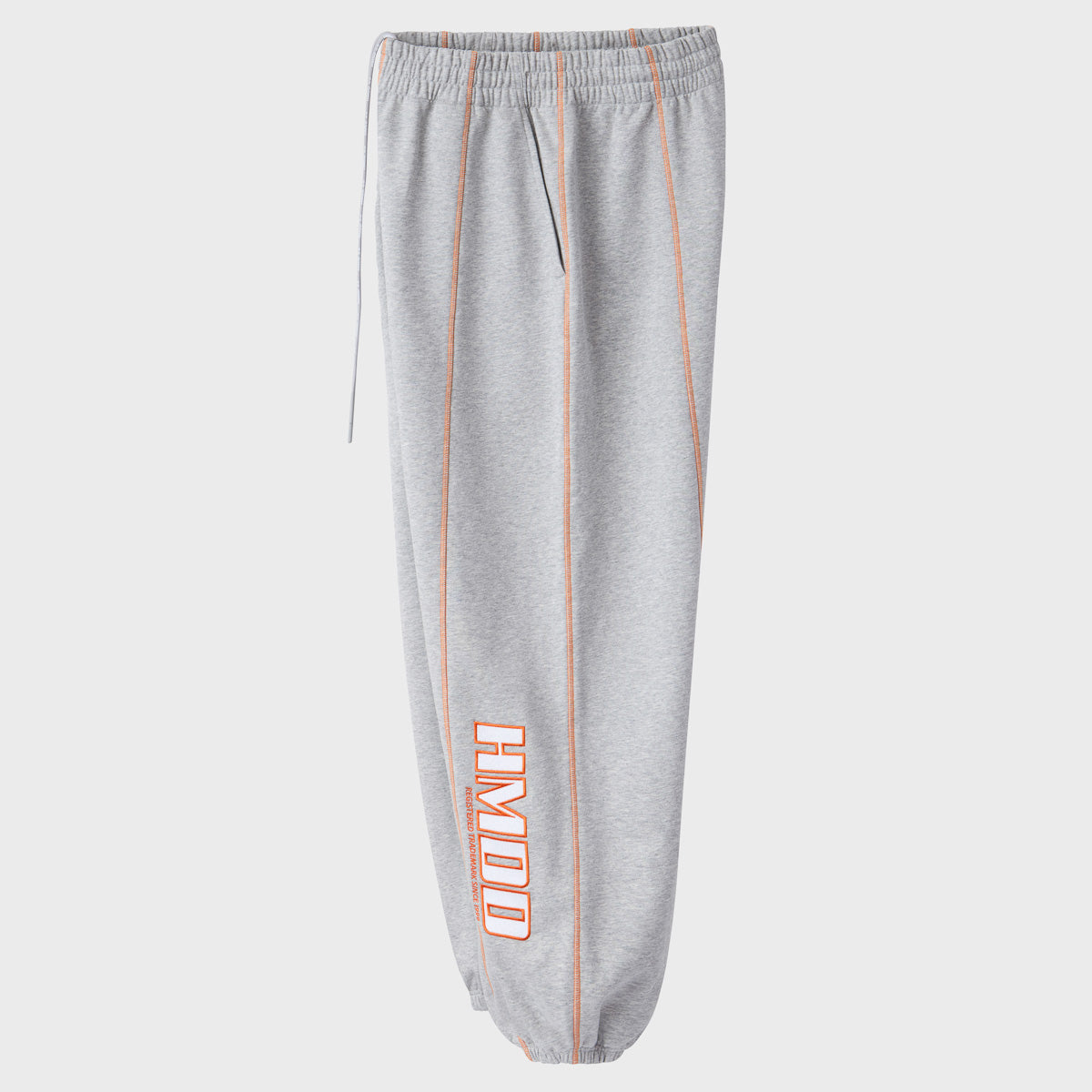
A brand’s core message only proves effective if the item itself backs it up. HMDD sweatpants and HMDD shorts are framed as daily staples rather than infrequent statement garments, and this regular wear counts for something. Frequent wear means an item slowly fills up with memories — an idle Sunday, a trip on the road, a late night spent with friends. Rather than dropping items after a single season, HMDD’s strategy keeps its core pieces consistently in rotation, leaning into this effect.
Buyers weighing feel, cut, and lastingness before working out which piece earns a spot in their everyday wardrobe—that’s also where “best hmdd clothing” queries often steer them. Compared with outerwear or occasion wear, sweatpants and shorts get worn far more frequently, and that’s exactly what makes them such a natural way to convey a message about memories that endure. With every wear come more moments, and the label’s phrase slowly shifts from decorative to true.
Friction for new customers is cut down since the brand shaped its catalog around these core pieces instead of intricate capsule drops.
It’s more likely that someone going through an HMDD review is weighing up shorts or sweatpants they’d use three times a week, rather than a limited jacket worn only three times a year.
Instead of being separate from the community strategy, this approachability is integral to it.
Decoding What the HMDD Reviews Show About Collective Confidence
Reviews are where marketing pledges get tested against real-world experience. Across a distinct chapter of the customer’s life, how the piece felt to wear is often mentioned in a typical HMDD review, and this rarely stays confined to seam work or textile weight. Such a pattern is uncommon. Sizing and textile quality are the narrow focus of most clothing reviews; reviews of HMDD frequently blend practical feedback and personal reflection, a clear signal the brand’s narrative has struck a chord beyond marketing copy.
This is significant for newcomers to the brand trying to decide between HMDD and similar streetwear-adjacent names. When reviews consistently reference emotional context alongside practical detail, it suggests that the “happy memories don’t die” concept isn’t merely a slogan stitched onto a tag — it is shaping how people actually talk about the product after purchase. That kind of natural, unforced reinforcement is difficult for other labels to quickly reproduce, since it depends on consistent messaging maintained over time, not a single campaign.
The community’s collective trust keeps growing. Every candid write-up stacks a modest dose of credibility for upcoming shoppers to depend on, and HMDD’s willingness to let those personal stories surface publicly — as opposed to showcasing solely glossy aspirational visuals — has preserved its feedback landscape feeling authentic heading into 2026.
Weighing HMDD’s Take to Standard Streetwear Brand-Building
| Element | A generic street-fashion label | HMDD |
|---|---|---|
| Guiding message | Chasing trends or hype | Heartfelt permanence (“happy memories don’t die”) |
| Merchandise focus | Drops that are limited with rapid turnover | Wardrobe staples — sweatpants and shorts — maintained in continuous circulation |
| User-generated content | Aesthetic lifestyle imagery that feel staged | Genuine stories from customers, connected to particular moments |
| Grounding in place | Typically ambiguous or interchangeable | Anchored in HMDDLA — linking a Los Angeles origin to a worldwide footprint |
| Approach to reviews | Zeroed in on sizing and shipping turnaround | Brings together practical feedback with heartfelt stories |
Fit, shipping, and basic product quality are still vital to the survival of any clothing label, and this comparison doesn’t argue against that. Instead, it shows where HMDD chooses to spend its creative energy along a different path—layering emotional resonance on top of the functional experience most shoppers already expect.
Fostering Connection, Not Just Sales , While Building True Belonging In Its Place
A slogan transforms into a collective rallying point when it gives folks a reason to connect with one another, not just to the company itself. Since it leaves room for individual meaning, the brand’s phrase succeeds. For one customer, “happy memory” could refer to a wedding weekend; for another, it could mean coming back from a hard year. Since it remains open enough for either reading without turning bland, that flexibility converts standalone purchases into a communal sense of self.
Trying a brand for the first time feels less risky as buyers notice fellow shoppers showcasing HMDD clothing tied to real milestones — peer validation plays a role too. This holds particularly for shoppers stacking HMDD up against competing brands while trying to find the best HMDD clothing to start with — sweatpants and shorts tend to be the natural entry point given their price accessibility and daily wearability.
Looking ahead deeper into 2026, the brands that hold customer attention will likely be those offering people a reason to believe, not just merchandise to acquire. HMDD’s bet on a single heartfelt phrase, repeated steadily throughout HMDDLA identity, product design, and customer reviews, has positioned it as more than just an apparel brand. It has turned into a small, tangible keepsake that the memorable experiences people go through are worth holding onto — and worth reaching for once more.

دیدگاه خود را بنویسید